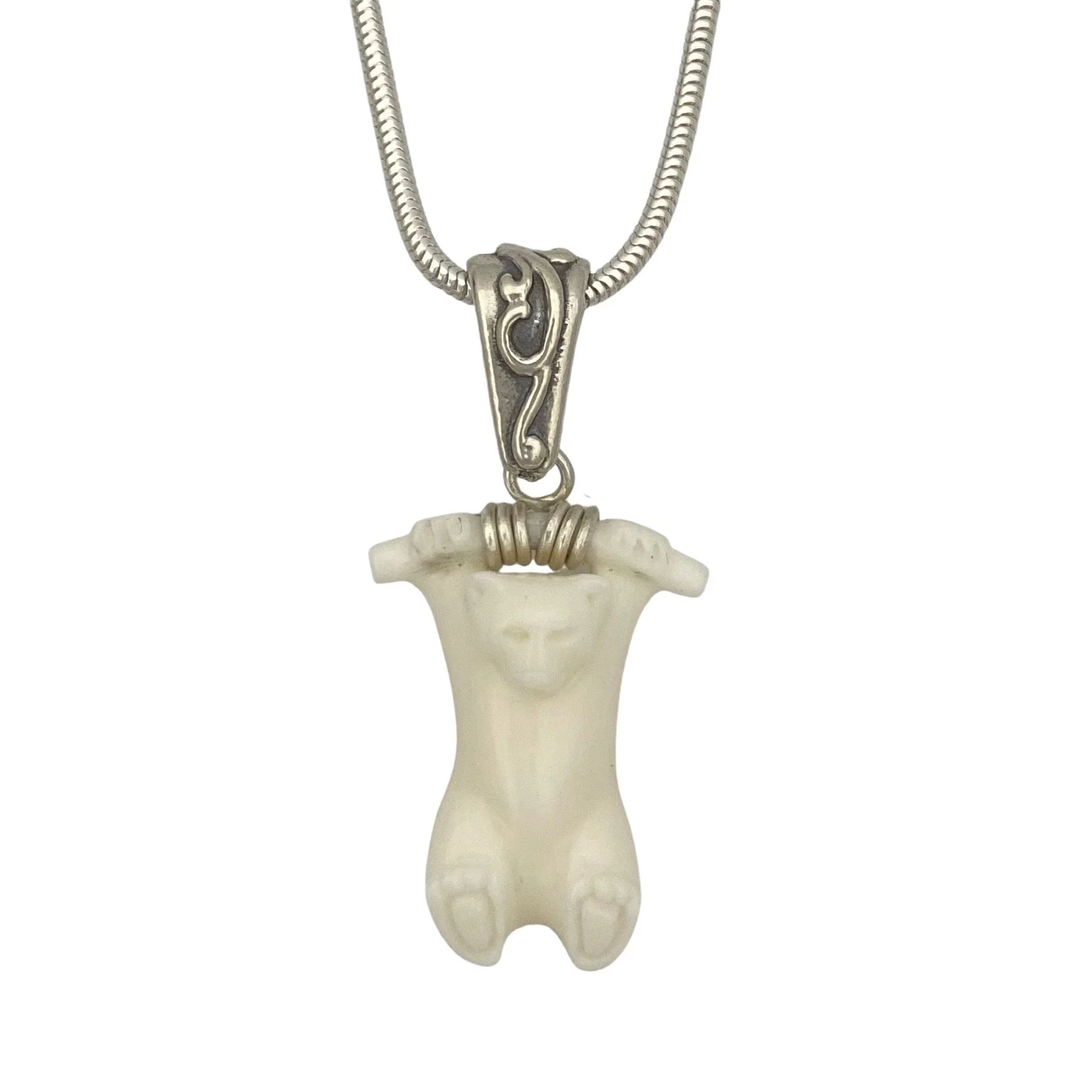
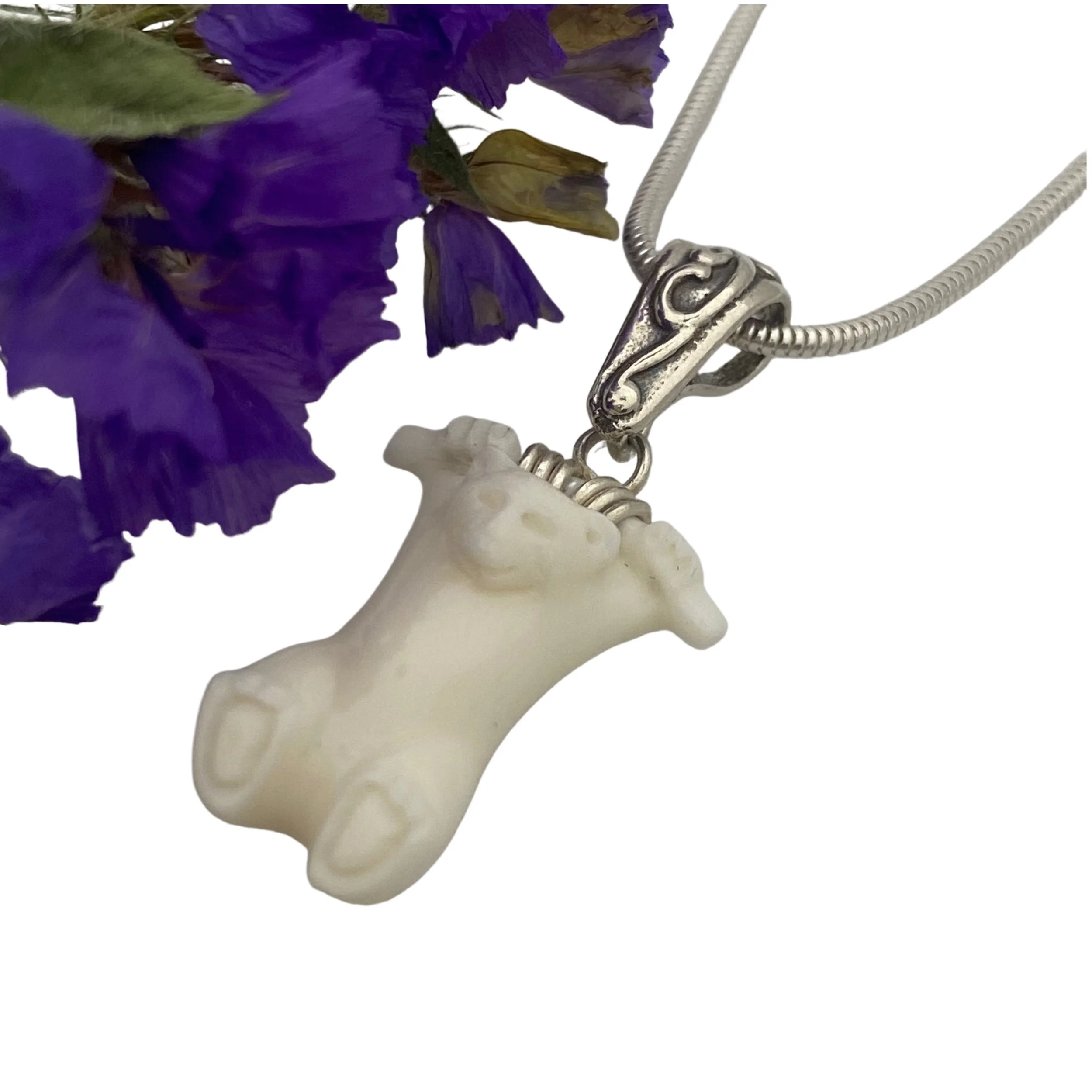
Jenny Bryne .925 Fossilized Walrus Hummingbird Pendant
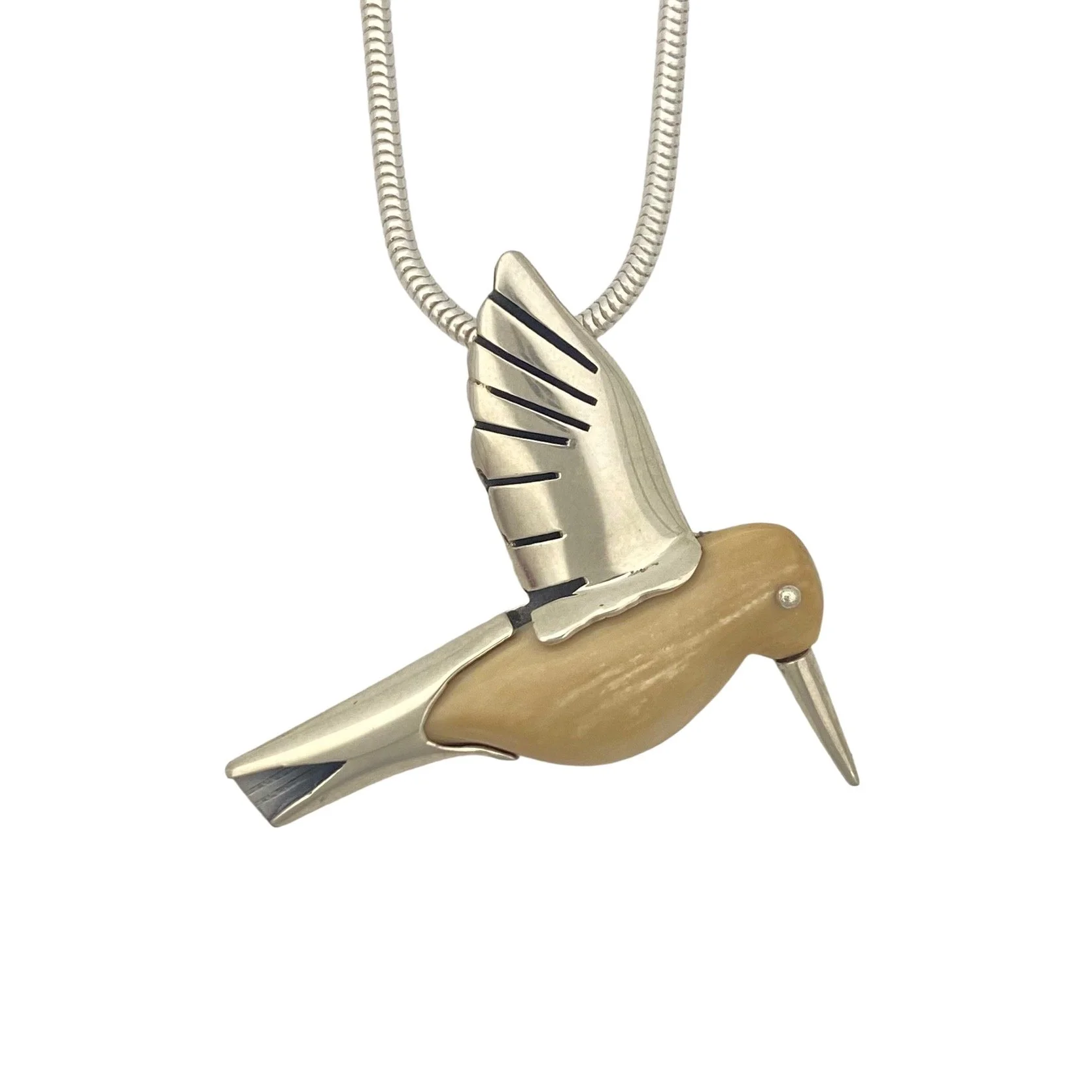
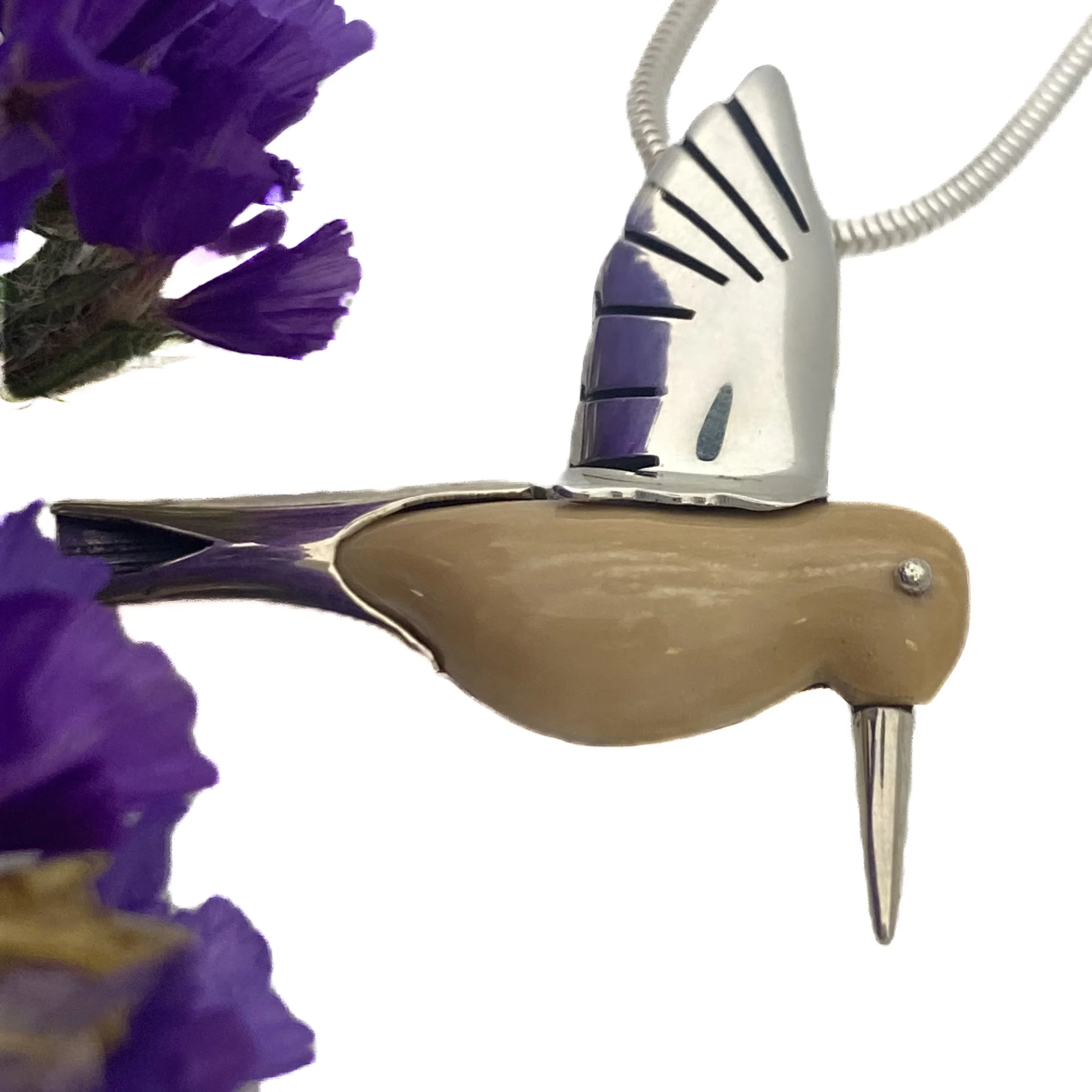
Jenny Bryne .925 Fossilized Walrus Hummingbird Pendant
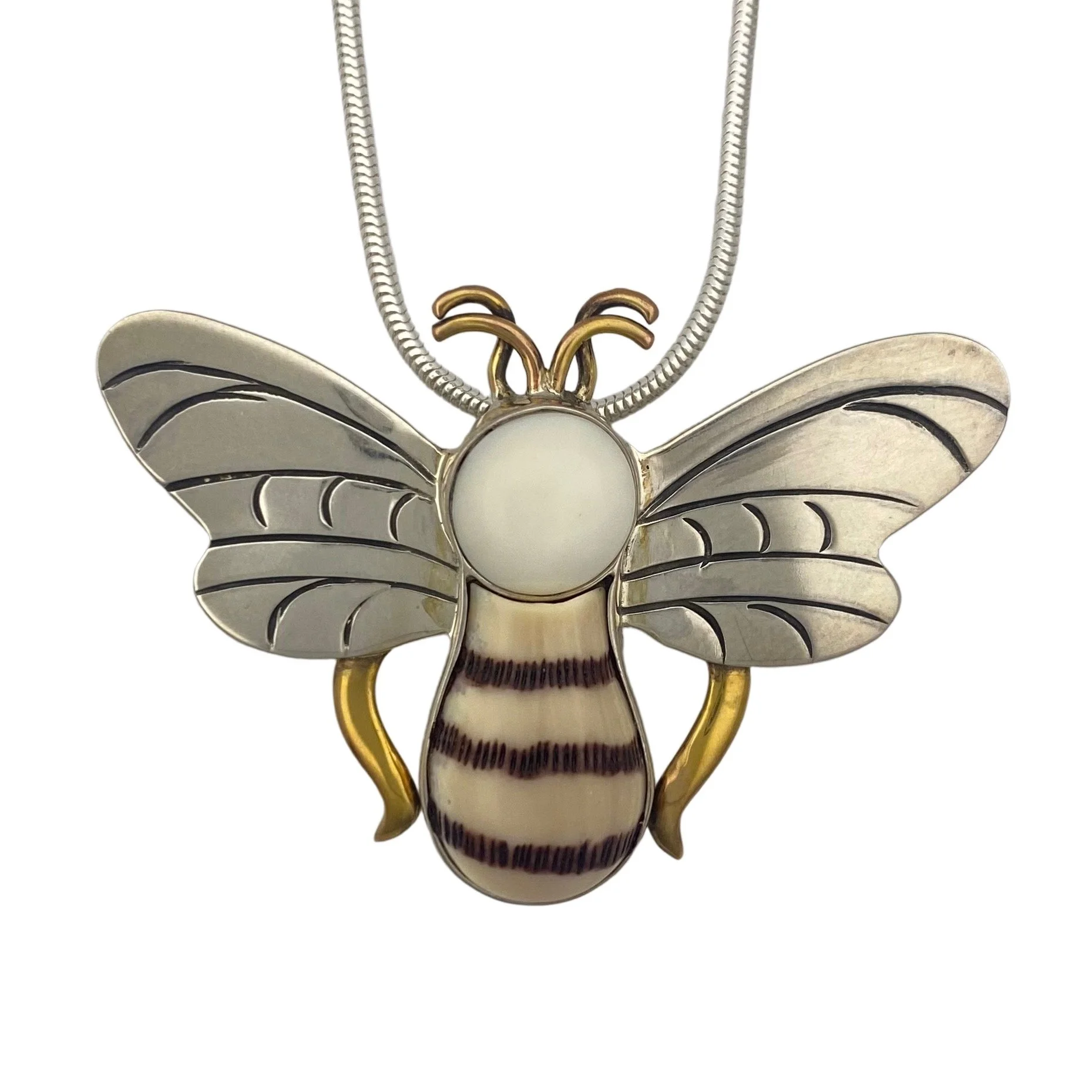
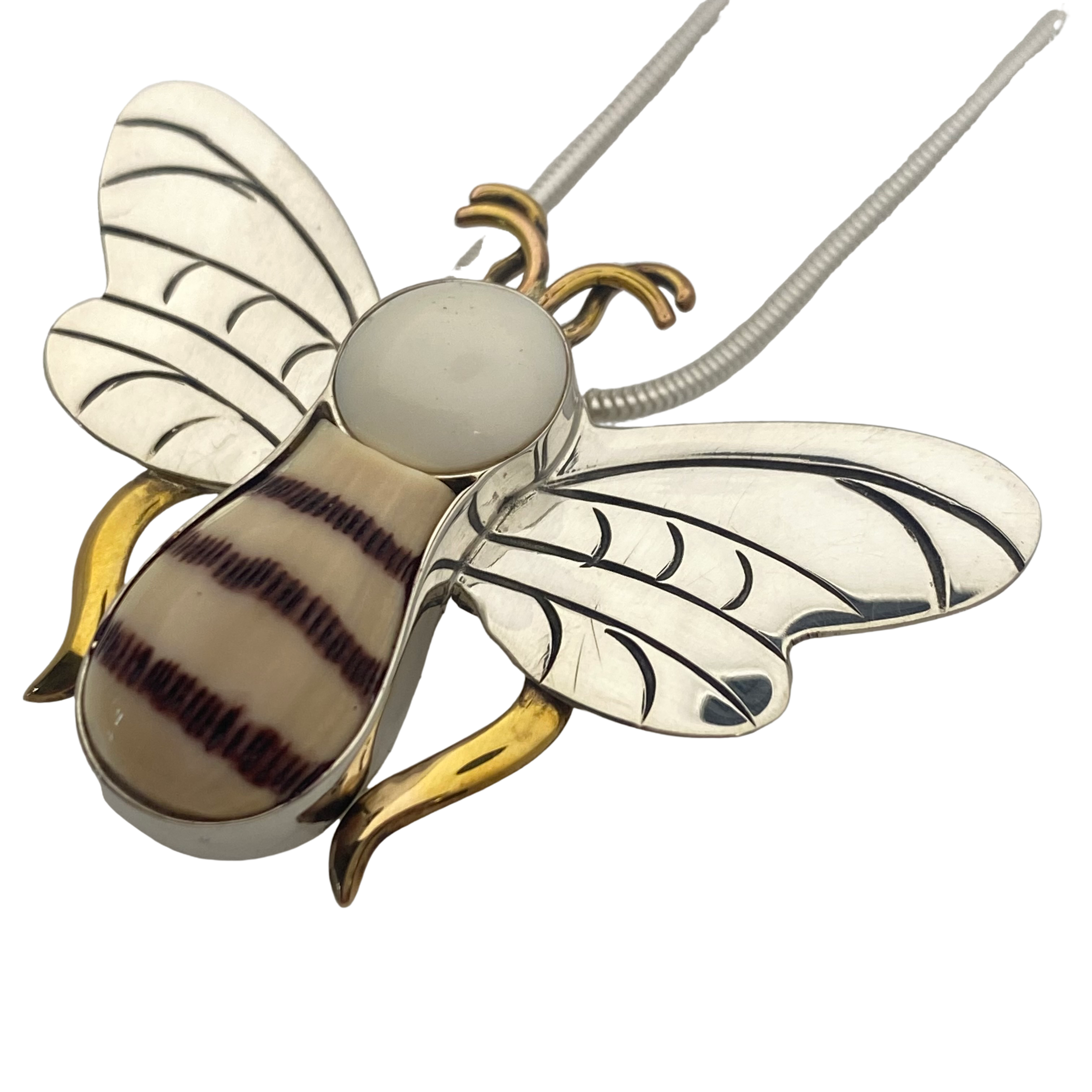
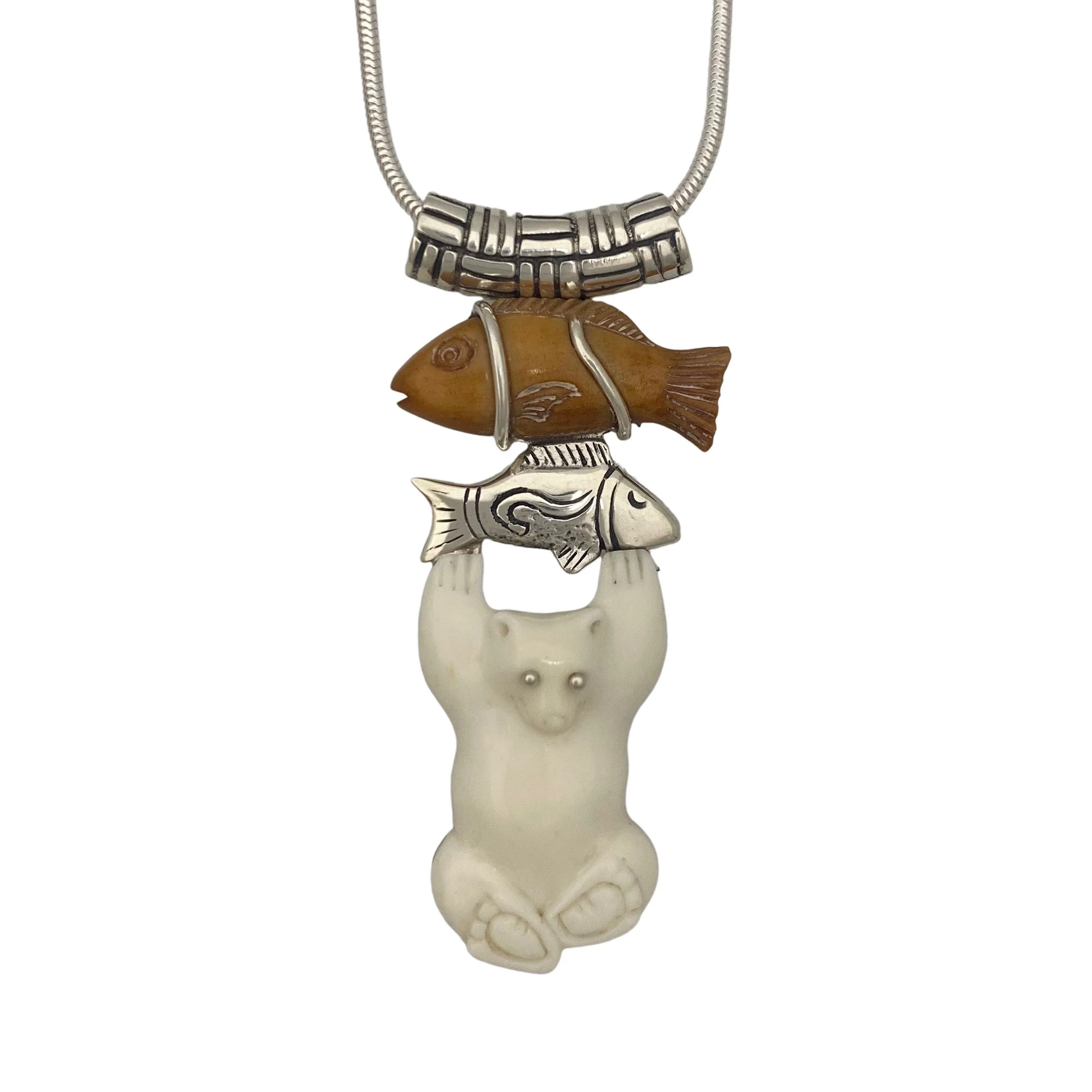
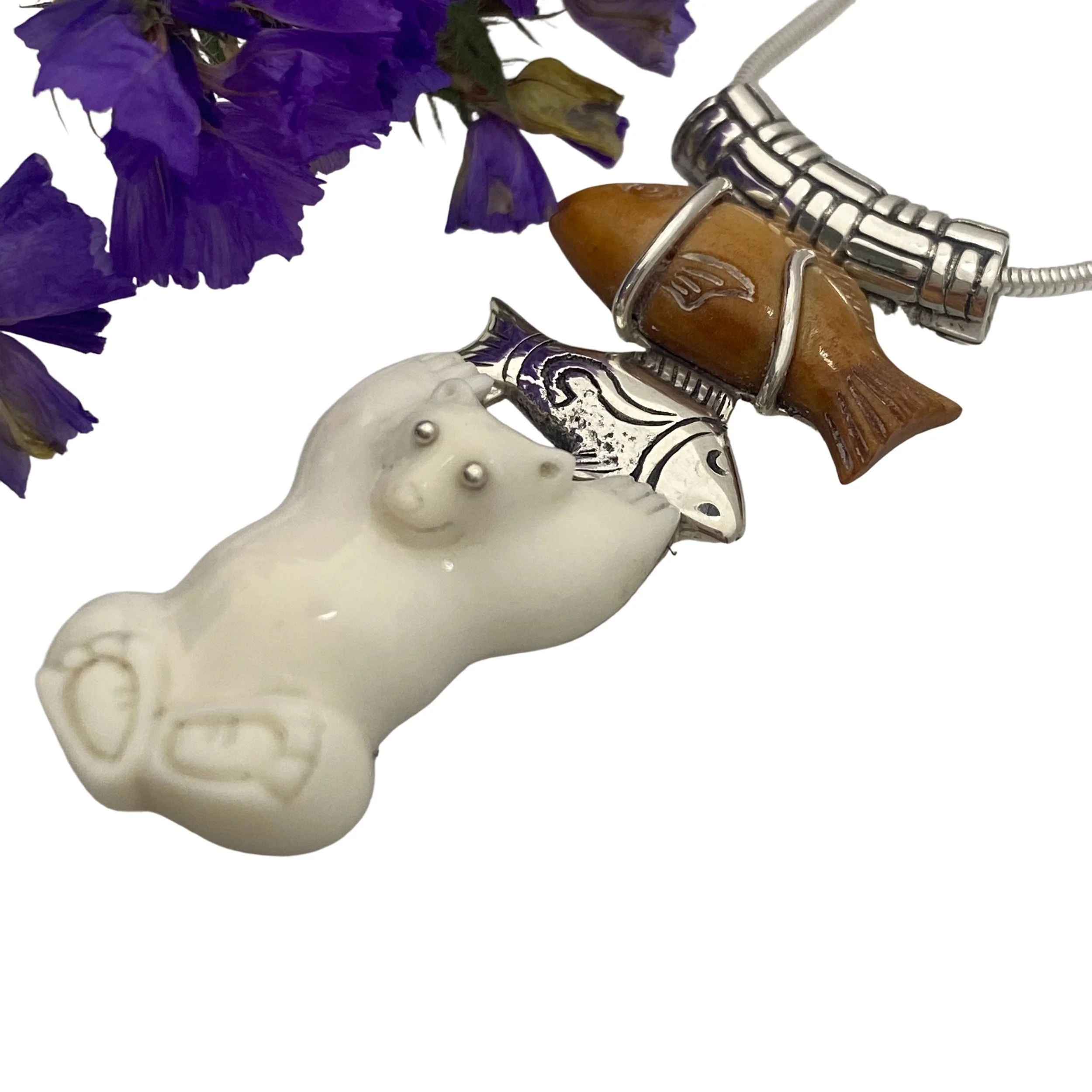
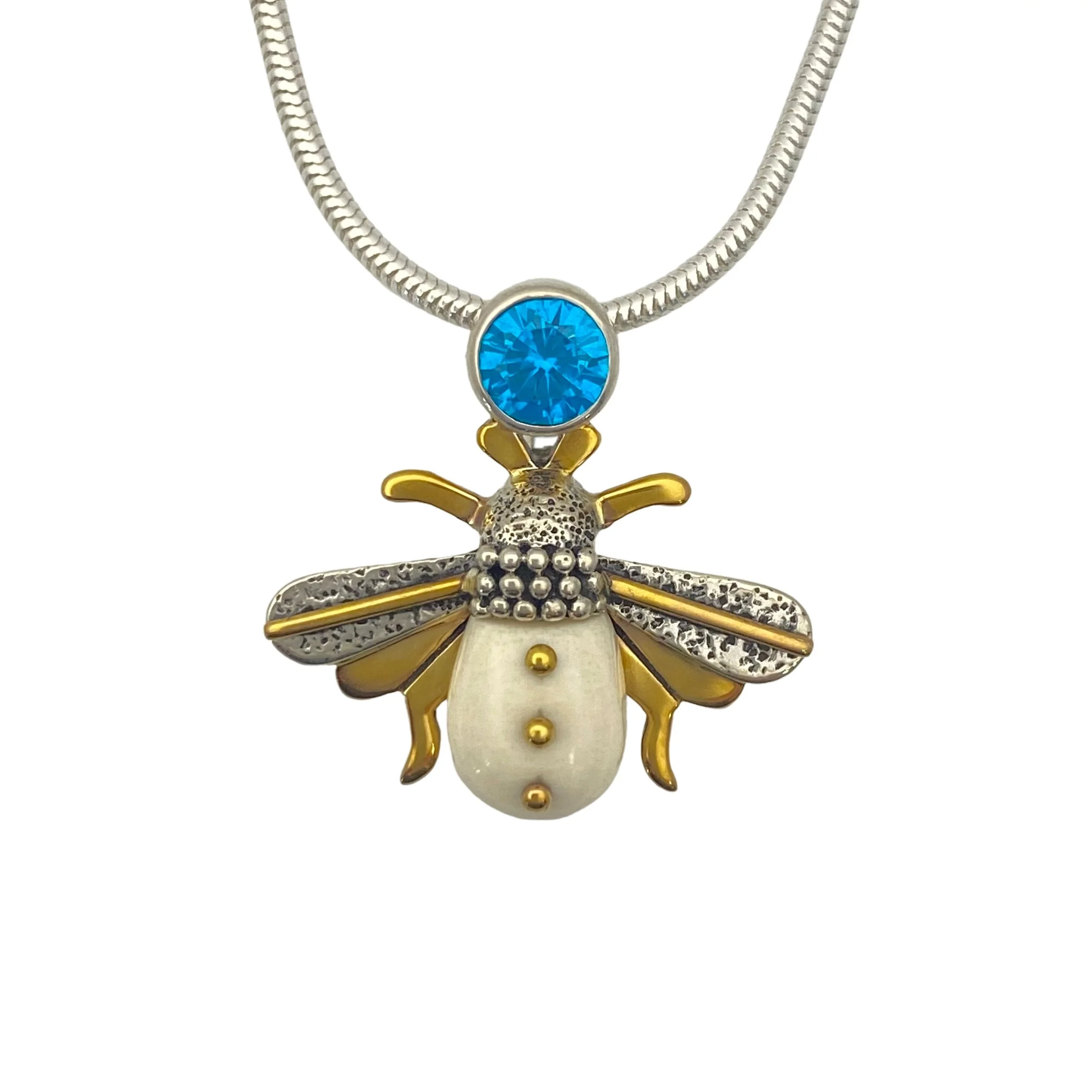
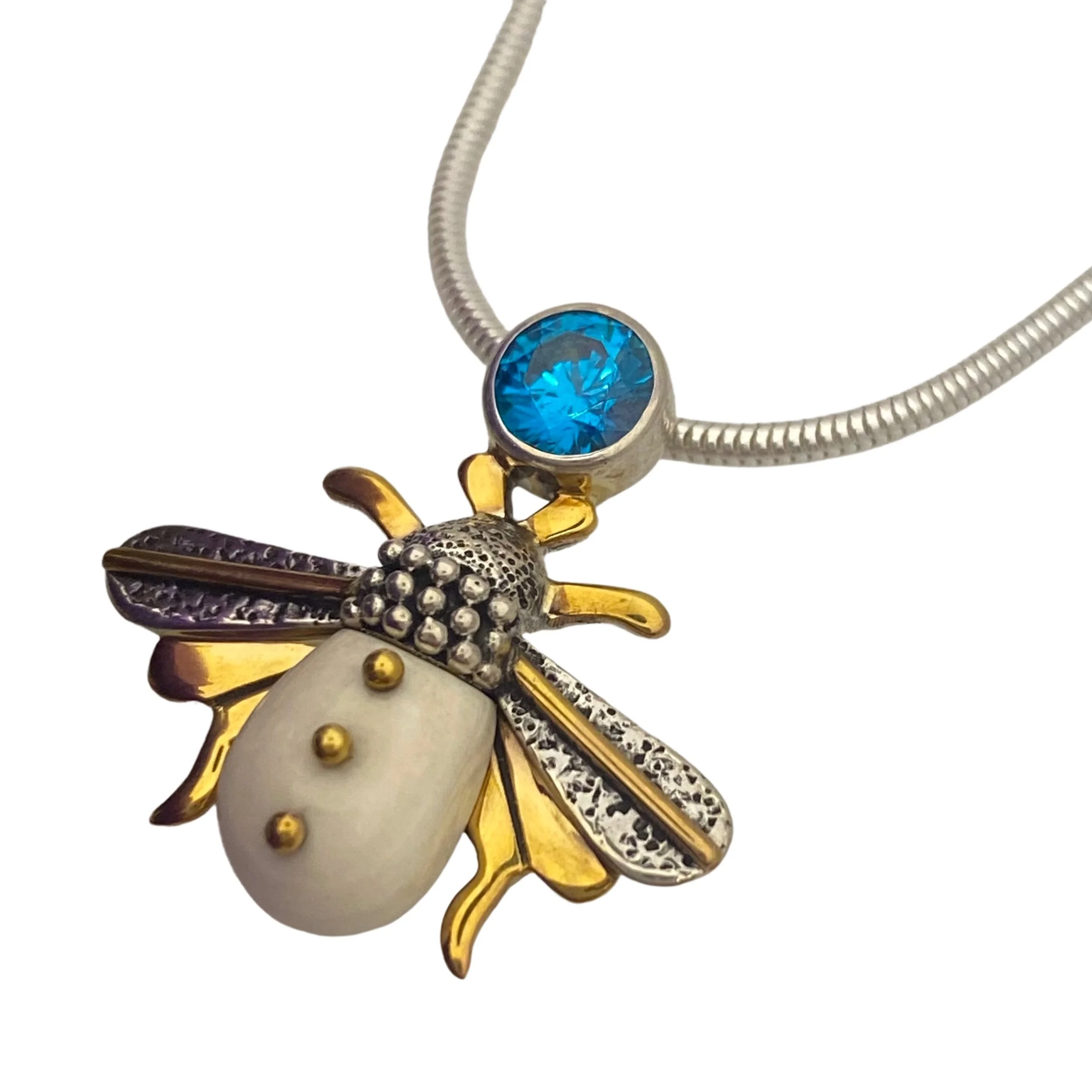
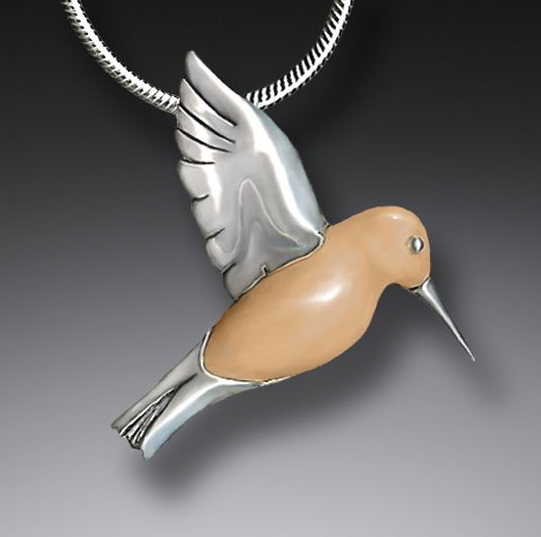
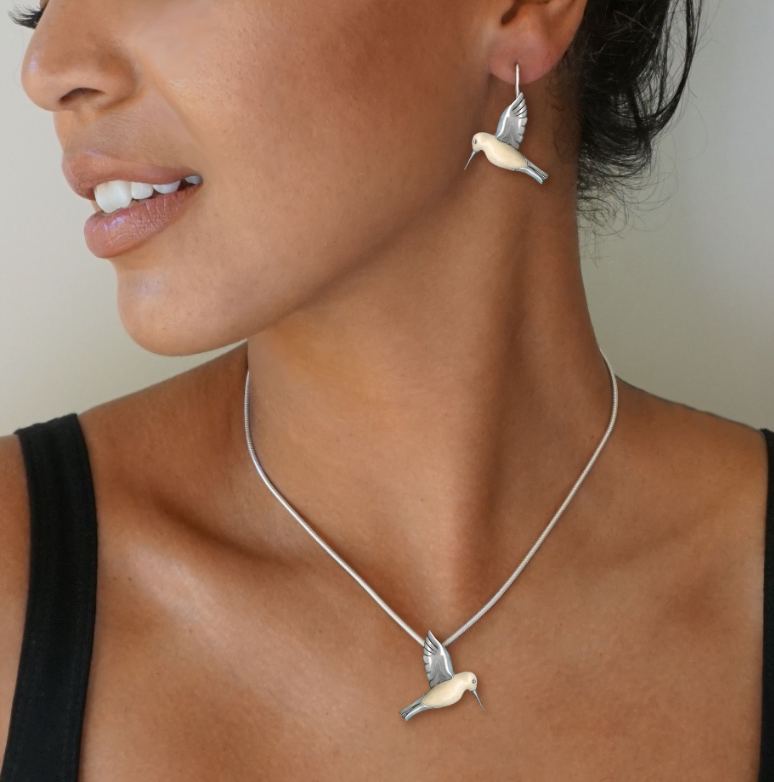
Hummingbird pendant by Jenny Byrne, with a body of fossilized walrus tusk collected by the Inuit of Alaska, set in sterling silver. Chain sold separately.
Walrus ivoryis easily differentiated from elephant ivory and mammoth ivory as walrus ivory is a tooth rather than a tusk and as such does not have any Schreger lines. These walrus teeth have a unique marble like quality, with an outer dentine layer and a mottled inner core, as with all teeth. Trade in walrus ivory is regulated by the United States Fish and Wildlife Service and an international agreement entitled the Convention on International Trade in Endangered Species (CITES).
Only Eskimos and Aleuts may legally carve new walrus. Sale of uncarved, new walrus is illegal. However, because fossilized walrus ivory is ancient and not obtained from living animals it can be legally traded and carved. The import and export of fossilized walrus ivory is closely monitored by the Fish and Wildlife Departments of each country in accordance with CITES to ensure it is ancient material in order to protect these wonderful creatures.
The ancient walrus ivory Zealandia uses is excavated by native Eskimos from islands off the coasts of Alaska and Siberia, and has been in the ground or ocean anywhere from 300 – 5,000 years. Fossilized walrus ivory is one of the rarest and most beautiful ivories available. Zealandia’s walrus ivory is excavated by the Bering Straits Inuit from privately owned land within old villages and hunting sites. This fossilized walrus ivory has slowly taken on an exotic array of warm colors ranging from creams and golden tans to chocolate browns due to the mineral deposits in the environment where it has lain for centuries.